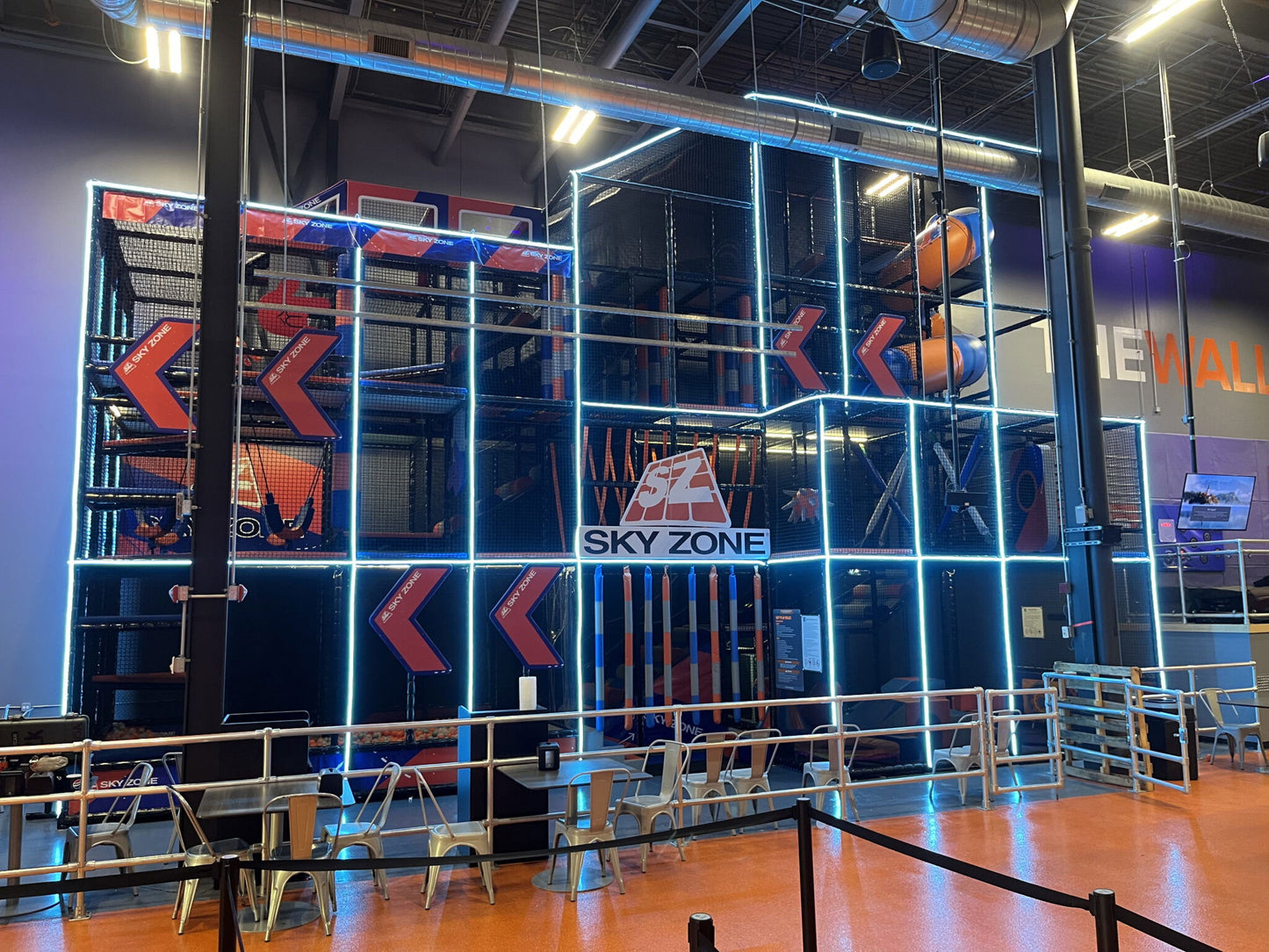
How Trampoline Parks Use Air Pads to Keep Guests Safe
The trampoline parks are undoubtedly the places that kids and teens plus families have flocked to all across the U.S. Hours on end were spent in the energy-burning- fun but obviously the thrill is accompanied with some risk. More than this though-the other, more than 800,000 children were injured using the Trampoline Park Safety from 2009-2018: injuries such as broken bones, concussions, and serious spinal trauma.
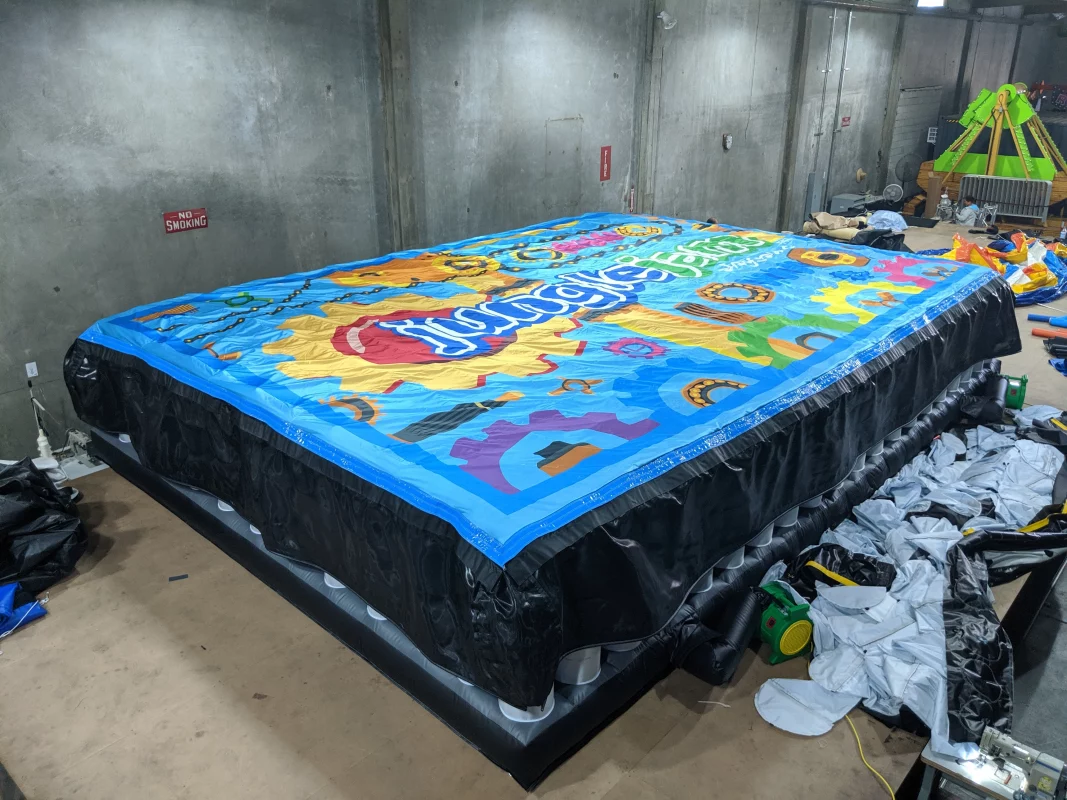
As parents and park operators, we all want the excitement of trampolining without the worry. This is perhaps the most important reason why i2k Air Pads are changing the safety landscape of the trampoline park world. We do it all at i2kairpad.com, where the dream is to impact the best in impact-absorbing technology so that guests are free to jump while operators focus on minimizing liability and cost.
In this article, we will bring some levels of insight into injury risks in trampoline parks and other safety tips and how the world's best i2k Air Pads protect that traditional foam pit or mat can't.
Every trampoline park guest must understand that the safety is not for negotiation. The statistics speak volumes Trampoline Parks – i2k AirPad
Understanding Trampoline Park Risks
Every trampoline park guest should know that safety is not optional. The statistics speak volumes:
- 13,256 injuries were reported in just 8.3 million jumper-hours of trampoline park use.
- That’s about 1.14 injuries per 1,000 jumper-hours.
- Serious injuries — including fractures and spinal damage — occur at a rate of 0.11 per 1,000 jumper-hours.
- For perspective, a child who visits a park for two hours each week could expect one injury every nine years, and a serious injury only once every 90 years.
Those numbers sound manageable, but they must rise when not following the safety standards to be adopted in parks. Foam pits and high-performance zones are more at risk of injuries, while slam dunk jump will be safer than trampolines. Person-on-sport comparison: The risk level at a trampoline park is about 5% of that in Australian football; with respect to tennis injury rates, it is approximately the same.
This tells us two things:
- Trampoline parks are not inherently unsafe.
- With the right precautions and technology, they can become even safer — and that’s where i2k Air Pads shine.
Safety Guidelines Every Park Should Follow
It matters because most trampoline accidents do occur from errors and could have been prevented. Parks, at the very least, will require:
- One person per trampoline at a time
- Adult supervision required at all times — and parents must supervise children in trampoline parks closely
- Kids under 6 should never jump, and children should wait until at least age 6 before visiting trampoline parks
- Listen carefully and follow staff instructions
- Remove jewellery, loose clothing, and sharp objects like phones or keys before entering
- Wear trampoline socks (grip socks) to prevent slipping
- Walk, don’t run, between trampoline areas
- Avoid rough play, chasing, racing, or pushing
- Jump only within your skill level
- Don’t attempt flips or somersaults without training and avoid flips on small trampolines
- Always land on both feet to reduce sprains and fractures
- Stay away from trampoline edges and be aware of your surroundings
- Never dive head-first into airbags or foam pits
- Speak to staff about rule breakers if needed
- Take regular breaks to avoid fatigue
Even with these provisions, accidents do happen. The wise ones will thus imprint such technology as Air Pads, which will provide an additional layer of safety.
Why Air Pads Are Transforming Trampoline Park Safety
Traditional foam pits have long been used in trampoline parks, but they come with problems:
- Uneven landings that cause neck and back injuries.
- Hygiene concerns due to foam deterioration.
- High maintenance costs.

i2k Air Pads are designed to eliminate these issues. Instead of relying on unstable foam cubes, our engineered air chambers absorb impact evenly, giving jumpers a consistent, safe landing every time.
Benefits of Air Pads over Foam Pits
- Reduce landing injuries from flips, dives, and awkward falls.
- Minimize edge-related accidents, thanks to seamless installation.
- Lower the risk of spinal and head trauma compared to foam.
- Easy to maintain and sanitize, unlike foam cubes that collect dust and bacteria.
- Durable, long-lasting design that saves operators money over time.
Simply put: Air Pads make risky zones safer — whether it’s a dodgeball arena, slam-dunk court, or high-performance trampoline area.
👉 Explore Air Pad technology here: Trampoline Parks – i2k AirPad.
Real Benefits for Park Owners, Parents, and Guests
- For Operators: Air Pads mean fewer insurance claims, better compliance with safety regulations, and reduced maintenance costs. Some insurers may even lower premiums when operators invest in advanced safety systems.
- For Parents: Peace of mind knowing their kids are landing on equipment designed to reduce injuries.
- For Guests: More fun, less fear. When visitors feel secure, they return more often.
In fact, reports show higher surgery rates at trampoline parks without advanced safety equipment. Air Pads dramatically lower that risk — keeping guests safer and operators protected.
Comparing Risk With and Without Air Pads
Without Air Pads:
- Foam pits can collapse unevenly, leading to neck, head, or spinal trauma.
- Busy hours raise collision risks.
- Surfaces may feel harder and bouncier than home trampolines, catching jumpers off guard.
With Air Pads:
- Guests experience controlled impact absorption.
- Even high-risk activities like flips or dives are less likely to result in serious injury.
- Fatigue is reduced, thanks to consistent cushioning.
By integrating Air Pads, parks push the injury probability even lower than the already rare “once every nine years” estimate.
How to Integrate Air Pads in Trampoline Parks
- Install Air Pads close to the ground for maximum protection.
- Place them under slam-dunk areas, dodgeball courts, and where foam pits usually go.
- Keep safety nets zipped, remove ladders when not in use, and inspect pads, hooks, and springs regularly.
- Check nets for tears and replace worn equipment quickly.
- Train staff not only in supervision but also in Air Pad operation and monitoring.
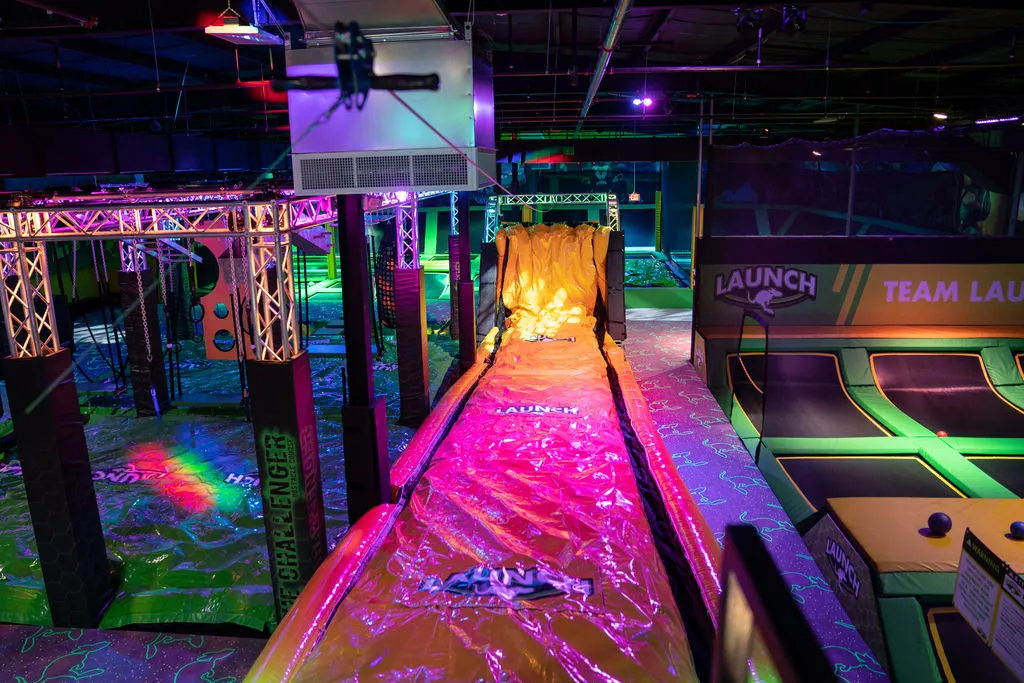
When paired with rule enforcement, Air Pads create the safest possible trampoline environment.
Key Takeaways
- Trampoline parks face real risks, with injuries ranging from fractures and concussions to spinal damage.
- Following basic safety rules is essential, but equipment matters just as much.
- i2k Air Pads are the gold standard in trampoline park safety, offering better protection than outdated foam pits.
- Safer parks mean happier parents, healthier guests, and more successful operators.
👉 Ready to take trampoline safety to the next level? Visit i2kairpad.com or explore our Trampoline Park Solutions.
FAQS
How common are injuries at trampoline parks?
Injuries tend to average out to about 1.14 injuries for every 1,000 jumper-hours, whereas serious injuries tally to 0.11 per 1,000 hours. That would mean, for a child visiting once a week, two hours per visit, they'd see an average injury once every nine years and a serious injury only once in every 90 years. Most injuries are preventable and occur as a result of unsafe practices, such as too many jumpers, flips on smaller trampolines, or doing dives into foam pits. The parks bearing the i2k Air Pads lower most of these dangers by providing deliberate, cushioned landings.
How to be safe at a trampoline park?
Safety starts with rules:
- One person per trampoline at a time
- Adult supervision required at all times
- Wear trampoline socks (grip socks)
- Remove jewellery, loose clothing, and sharp objects
- Avoid rough play, running, or chasing
- Stay away from trampoline edges and land on both feet
- Take breaks to avoid fatigue
Even with rules in place, the best way to enhance safety is with impact-absorbing Air Pads, which outperform foam pits and reduce the chance of neck, back, or spinal trauma.
What are the risks of trampolining?
The most common injurious accidents comprise broken bones, concussions, and spinal injuries. Known hazards multiply in foam pits, that is high-performance areas, or the guests trying flips beyond their ability. High rates of surgeries in trampoline parks would also be attributed to old equipment and a lack of supervision. By incorporating the use of Air Pads, parks could reduce these risks by offering softer, more consistent landings and lessening the impact of falls.
What age is safe to go on a trampoline?
Experts agree that under-6s should never jump on a trampoline; the majority suggest waiting until the age of 6 to enter trampoline parks. Adult supervision and adherence to the park staff instructions are paramount to safety. Parks using i2k Air Pads offer parents additional assurance, as they provide a safer environment than traditional foam pits or mats.